
• Skip to primary navigation
  • Skip to main content
  • Skip to footer
Porchlight Bay Area

Porchlight Bay Area

Committed to helping you achieve your real estate dreams.

  • Home
  • Communities
    • San Mateo
    • Belmont
    • San Carlos
    • Redwood City
    • Palo Alto
    • Menlo Park
    • San Jose
    • Alameda
    • Oakland
    • Brentwood
    • Benicia
    • Los Altos
  • Sellers
    • Free Home Valuation
    • Guaranteed Cash Offer
  • Meet the Team
  • Calculators
    • Home Sale Calculator
    • Affordability Calculator
    • Mortgage Calculator
  • Blog
  • Client Reviews

The February Pivot: Why Now is the Strategic Moment to Plan Your 2026 Sale

February 17, 2026 by Danny Leave a Comment

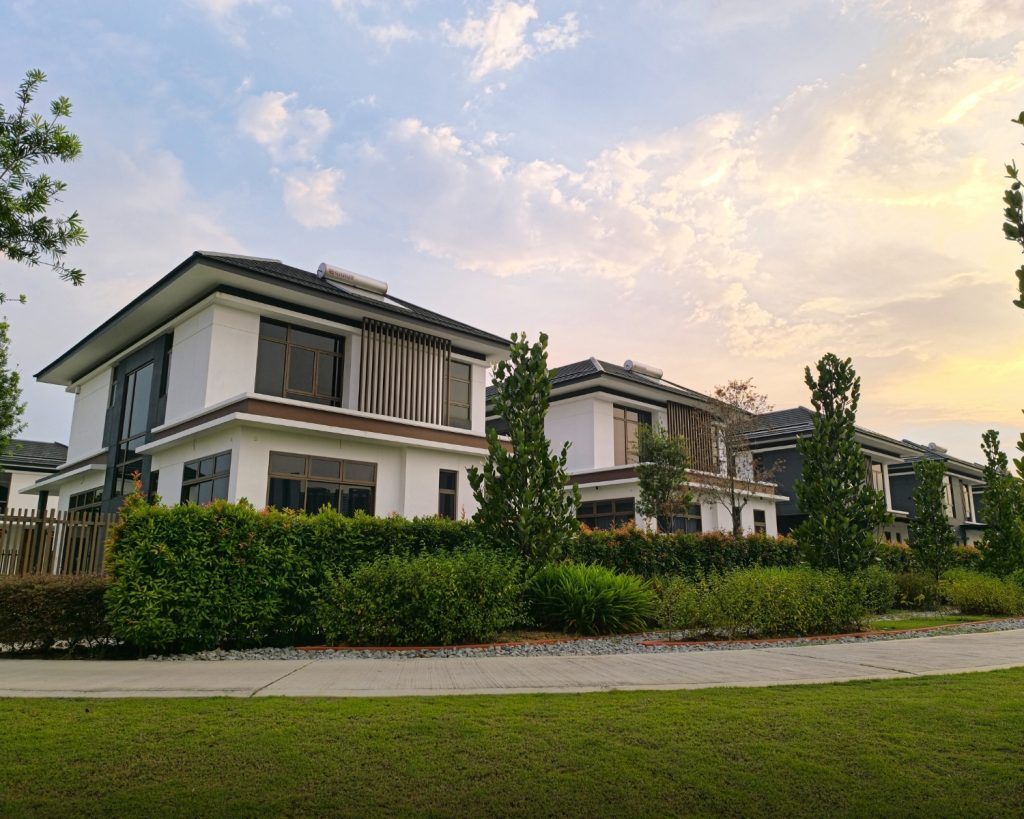
A row of upscale, traditional two-story luxury homes along a quiet, tree-lined suburban street at golden hour, representing high-demand Bay Area real estate.
The February spring surge is underway, offering a unique window for sellers to capture peak buyer demand before the summer inventory peak.

In the Bay Area, we don’t wait for the calendar to say “Spring” to start the real estate season. As of February 17, 2026, the market is already shifting into high gear. Driven by a surge in AI-related wealth and a critical shortage of inventory—down 27% year-over-year—the “spring” rush has officially arrived early.

Timing a sale in Silicon Valley or the East Bay is rarely just about listing when you’re ready. The smartest sellers plan around three practical windows: the school calendar, tax season, and hyper-local market cycles.

1. School Year Alignment: Capturing Maximum Demand

Families prioritize moves that align with the school year to minimize disruption.

  • The Family Window: While listing in May or June captures the largest pool of family buyers, the preparation starts now.
  • The 2026 Timeline: To close and move before the new school year begins (typically around August 6, 2026, for many local districts), you should aim to be under contract by June.
  • Strategic Tip: Listing in the “early spring” window of March or April often allows you to bypass the heavier inventory competition of June while still appealing to families planning their summer move.

2. Tax Season Strategy: Managing Gains and Cash Flow

A modern workspace with a laptop, planner, and mouse, representing the strategic financial planning required for a successful home sale.
From tracking property tax deadlines to managing capital gains, a data-driven approach is essential for any high-value real estate transaction in 2026.

February is a pivotal month for California property owners.

  • Immediate Deadlines: The second installment of your 2025-26 secured property taxes was due on February 1st. While you have until April 10th to pay without penalty, settling this now simplifies your closing statement for a spring sale.
  • Reinvestment Planning: If you are facing significant capital gains from a high-value sale, listing early in the year gives you nearly 10 months to work with your tax advisor to offset gains with deductions or 1031 exchanges for investment properties.

3. Local Market Cycles: The AI Wealth Effect

The 2026 market is behaving differently than previous cycles. San Francisco is seeing a 12.4% year-over-year surge in median prices, fueled by AI liquidity and a “return-to-office” push.

  • High Velocity: In tech hubs like Mountain View and Sunnyvale, homes are often going under contract in under three weeks.
  • Inventory Advantage: Because inventory is at its lowest February count in over four years, listing now ensures your property stands out to “AI buyers” who are flush with capital and eager to buy before rates—currently near 6.16%—fluctuate further.

Putting it Together: Your 60-Day Countdown

Professional portrait of Danny Burgess, Bay Area Real Estate Advisor, wearing a suit and tie.
Bay Area Real Estate Advisor Danny Burgess is here to help you navigate the 2026 market with data-driven strategy and local expertise.

Success in this market requires building your plan backward from your ideal closing date.

  1. 60 Days Out: Coordinate with your CPA and agent to identify high-ROI updates.
  2. 30 Days Out: Professional photography and staging to showcase premium “lifestyle” features like wellness centers or home offices.
  3. Go Live: Target a mid-week listing (Wednesday or Thursday) to maximize weekend showing traffic.

Ready to build a custom timing plan for your home?

Whether you’re balancing a school transition or looking to capitalize on the AI wealth surge, I can help you build a data-driven strategy. Contact me today for a personalized consultation.

📧 danny@porchlightbayarea.com
📱 650-665-0922
💻 porchlightbayarea.com/blog

Filed Under: Real Estate Tagged With: Bay Area, BayAreaRealEstate, BestTimeToSell, DannyBurgess, HomeSellingTips, MarketTiming2026, PorchlightBayArea, RealEstateStrategy, SiliconValleyMarket

Navigating the Mortgage Landscape in the SF Bay Area: Interest Rates and the Surge in Mortgage Applications

January 20, 2026 by Danny Leave a Comment

The Golden Gate Bridge at sunset viewed from a sandy beach with a person standing near the crashing waves.
Seizing the right moment in the Bay Area market starts with understanding the numbers behind the view.

This week, let’s explore the current mortgage trends shaping the SF Bay Area. With fluctuating interest rates and increased mortgage applications, understanding these shifts is vital for making informed decisions in this competitive market.

Understanding Interest Rates

lose-up of a calculator, a set of house keys, and a pen on top of a mortgage application document.
Strategizing your buying power starts with a clear understanding of current rate volatility.

1. Recent Trends

  • Current Landscape: Interest rates have been volatile, significantly impacting buying power and monthly payments for Bay Area buyers.
  • Impact: Even minor rate changes can affect affordability, influencing the range of homes clients can consider.

2. What to Watch

  • Economic Indicators: Pay attention to inflation data and Federal Reserve announcements, as they often influence rate changes.
  • Rate Lock: Consider locking in current rates when favorable to safeguard against potential increases.

Rise in Mortgage Applications

1. Exploring the Increase

  • Driving Factors: Recent rate dips have spurred a surge in applications, as buyers take advantage of improved borrowing conditions.
  • Local Dynamics: Reflecting heightened buyer confidence, this trend underscores ongoing demand in the Bay Area’s competitive market.

2. Preparing to Apply

  • Credit Readiness: Ensure your credit score is robust to secure optimal rates.
  • Documentation: Gather essential documents like tax returns and pay stubs to streamline your application process.

Tips for Navigating the Bay Area Market

1. Work with a Trusted Lender

  • Liaise with a reputable lender familiar with the Bay Area’s unique dynamics who can tailor solutions to your financial goals.

2. Stay Informed

  • Regularly consult mortgage news and forecasts to anticipate trends that may impact your buying power.

3. Consider Future Rate Trends

  • Evaluate if an adjustable-rate mortgage (ARM) might be beneficial, particularly if future rate drops are anticipated.

Conclusion

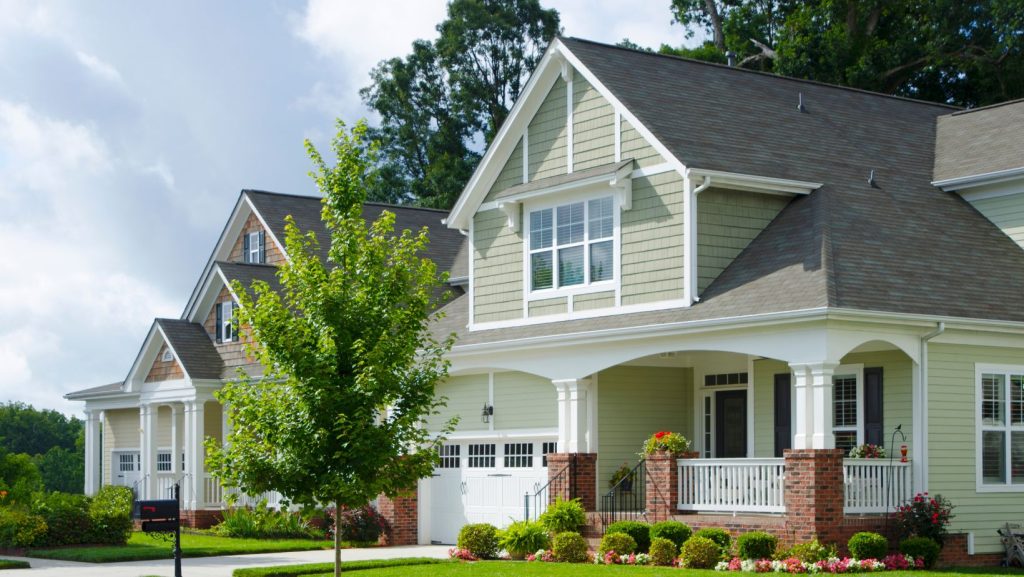
Sunlight hitting the exterior of a beautiful, modern two-story home in a quiet San Francisco Bay Area neighborhood.
Navigating the complex mortgage landscape leads to one result: securing your place in the Bay Area.

In the dynamic SF Bay Area market, understanding how mortgages and interest rates impact your buying power is essential. Whether you’re purchasing your first home or investing in property, staying informed will help you make confident and strategic decisions.

Need guidance on navigating the Bay Area’s mortgage landscape or finding the right home? Contact me for personalized support and expert insights:

📧 danny@porchlightbayarea.com
📱 650-665-0922
Explore more mortgage tips on my blog: porchlightbayarea.com/blog

Let’s successfully navigate the Bay Area mortgage landscape together!

Filed Under: Real Estate Tagged With: Bay Area, DannyBurgess, HomeBuyingTips, Luxury Properties, PorchlightBayArea, Real Estate Market, SanFranciscoRealEstate, SFBayArea

Zillow’s Legal Battles: What Real Estate Agents Need to Know

November 24, 2025 by Danny Leave a Comment

A wooden judge's gavel resting next to a model house and legal books, symbolizing real estate law and litigation.
Recent legal challenges are raising questions about transparency in real estate lead generation.

Zillow, a major player in the real estate industry, is facing serious allegations under the RICO Act—often used for prosecuting organized crime. This is part of a broader wave of legal challenges the company is currently navigating. Let’s explore what these developments mean for real estate agents, especially those using Zillow leads.

What’s Happening?

Close-up of a person holding a smartphone viewing a real estate application with property listings.
Consumers often unknowingly connect with premier agents rather than listing agents when clicking “contact” on real estate apps.

Zillow has been hit with racketeering charges, part of an expanded class-action lawsuit filed in federal court in Seattle. The lawsuit alleges that Zillow:

  • Misleads Users: When buyers click “contact agent,” they’re connected to Zillow Flex agents, not the listing agent.
  • Pushes Zillow Home Loans: Agents are allegedly pressured to steer clients toward Zillow’s own lending services, with consequences for those who recommend external lenders.
  • Monitors Conversations: The complaint claims Zillow monitors communication between agents and clients to enforce lending preferences.

The Allegations

The lawsuit now involves 10 plaintiffs across eight states, with testimony from 12 current and former agents and loan officers. These witnesses allege that:

  • Agents risk losing leads if they recommend non-Zillow lenders.
  • Zillow managers allegedly gave verbal directives to ensure compliance.
  • There’s a hidden 40% referral fee impacting consumers.

Implications for the Industry

A group of professional real estate agents or business people having a serious discussion over documents in a modern office.
Agents may need to re-evaluate their reliance on third-party lead generation platforms.

This case raises critical questions about transparency and ethics in lead generation:

  • Agent Independence: How will these allegations affect agents’ ability to advise clients freely based on their best interests?
  • Consumer Trust: The potential lack of transparency can erode trust in online real estate platforms.
  • Industry Practices: The outcome may prompt shifts in how lead generation and referrals are conducted across the industry.

What Should Agents Do?

  • Stay Informed: Keep up with the latest news from credible sources to understand the potential impacts on your business.
  • Evaluate Lead Sources: Reassess your reliance on Zillow and consider diversifying your lead generation strategies.
  • Focus on Transparency: Maintain clear, honest communication with clients to build trust and credibility.

Conclusion

As Zillow navigates these legal challenges, the entire real estate industry could see significant shifts in lead generation practices. For you as an agent, staying informed and prioritizing client interests will be key to navigating these changes.

Want to learn more strategies for navigating real estate changes? Contact me for personalized advice and insights:

📧 danny@porchlightbayarea.com
📱 650-665-0922
Explore more industry insights on my blog: porchlightbayarea.com/blog

Stay ahead in the evolving real estate landscape!

Filed Under: Real Estate Tagged With: Agent Ethics, Bay Area, Industry Trends, Real Estate Law, Real Estate Lead Generation, Real Estate Market, Real Estate News, Zillow Lawsuit

How U.S. City Home Values Have Grown Over the Last 50 Years — And What It Means for the Bay Area

November 7, 2025 by Danny Leave a Comment

San Francisco skyline at sunset representing 50 years of Bay Area real estate growth.
The Bay Area continues to stand out as one of America’s most resilient and valuable housing markets.

The Bay Area’s Resilience in a National Context

The Bay Area continues to stand out as a powerhouse in real estate growth — and the numbers prove it. While many markets across the country have experienced steady or modest appreciation, our region has consistently been among the top performers. Understanding how other cities have fared over the decades underscores the long-term strength of Bay Area real estate. Despite market fluctuations, properties here have proven to be some of the most resilient and rewarding investments in the country.

Graph illustrating differences in home value growth across major cities.
Home value appreciation has varied dramatically across the U.S., with coastal cities leading long-term growth.

Top 10 Cities with the Most Growth

1. San Jose, CA (+396%)

At the core of Silicon Valley, San Jose’s explosive growth — nearly 400% — reflects the tech industry’s dominance. For local homeowners, this long-term appreciation is a testament to the region’s innovation-driven economy.

2. San Francisco, CA (+300%)

The iconic city’s steady climb illustrates its status as a global economic hub, with property values tripling over 50 years.

3. Los Angeles, CA (+292%)

Hollywood, entertainment, and a thriving economy continue to drive Los Angeles’ property market higher.

4. Seattle, WA (+280%)

Tech giants like Amazon and Microsoft have transformed Seattle into a magnet for housing demand, pushing home values upward.

5. San Diego, CA (+271%)

From beaches to biotech, San Diego’s diverse economy supports its impressive growth.

6. Boston, MA (+196%)

Education and healthcare sectors help Boston maintain strong, long-term appreciation.

7. Riverside, CA (+179%)

Offering affordability and proximity to LA, Riverside has grown as more buyers seek value outside coastal hotspots.

8. New York, NY (+161%)

As a global finance and cultural hub, New York’s real estate has steadily appreciated amid constant demand.

9. Denver, CO (+161%)

An attractive mix of outdoor lifestyle and economic opportunity has made Denver a steady growth story.

10. Portland, OR (+154%)

Known for its quality of life, Portland continues to see solid, sustained appreciation.

Modern Bay Area neighborhood showcasing California’s strong and desirable housing market.
Tight supply and steady demand have kept Bay Area neighborhoods among the strongest performers nationwide.

Cities with the Least Growth

1. Memphis, TN (+2%

A stable market with minimal swings, Memphis remains resilient due to its affordability.

2. Cleveland, OH (+2%)

Like Memphis, Cleveland’s slower appreciation reflects its focus on stability and affordability.

3. Birmingham, AL (+9%)

Birmingham’s market has seen modest growth, making it attractive for buy-and-hold investors.

4. St. Louis, MO (+18%)

A steady, balanced market with consistent appreciation over decades.

5. Cincinnati, OH (+22%)

Known for affordability, Cincinnati’s slowing but stable growth benefits long-term investors.

6. Oklahoma City, OK (+24%)

A strong regional economy keeps Oklahoma City’s property values climbing moderately.

7. Pittsburgh, PA (+26%)

Transitioning from industrial roots, Pittsburgh’s real estate has remained stable with steady appreciation.

8. Kansas City, MO-KS (+27%)

Its reputation for quality of life keeps Kansas City’s market stable and attractive.

9. Detroit, MI (+27%)

Recovery from economic hardships has stabilized Detroit’s housing market.

10. Indianapolis, IN (+28%)

An affordable and growing city with predictable, steady appreciation.

What This Means for You

For Bay Area homeowners, these numbers underscore our region’s unparalleled long-term value. Whether markets rise or fluctuate, properties here have historically proven to be transformative investments. If you’re considering buying, investing, or selling, understanding these long-term trends can help you make smarter, more strategic decisions.

Whether you’re buying your first home, investing, or planning to sell, understanding how long-term trends shape today’s market can help you make smarter moves. I’m here to guide you through those decisions with clarity and confidence.

Ready to navigate your next step? Let’s connect:

📧 danny@porchlightbayarea.com
📱 650-665-0922
More insights are just a click away—visit my blog: porchlightbayarea.com/blog

Filed Under: Real Estate Tagged With: Bay Area, Bay Area Real Estat, Home Selling Tips, Luxury Properties, Real Estate Data, Real Estate Investment Insights, Real Estate Market, U.S. Real Estate Growth

Open House vs. Private Showing: What Works for High-end Properties

November 6, 2025 by Danny Leave a Comment

Real estate market analysis concept with charts, graphs, and wooden house models symbolizing Bay Area property trends.

Market research and data analysis are key to deciding between open houses and private showings for luxury Bay Area homes.

When it comes to selling high-end properties in the Bay Area, the approach to showings can significantly impact your success. Should you host an open house to attract a broad pool of prospective buyers, or opt for private showings to create exclusivity? Let’s explore which strategy is most effective for luxury homes.

Open House: Pros and Cons for Luxury Properties

Pros:

  • Wider Exposure: Open houses draw in multiple prospective buyers at once, increasing visibility.
  • Marketing Opportunity: An open house can generate buzz and media attention, showcasing the property to a broad audience.
  • Time-Efficient: Hosting a well-promoted open house can save time compared to scheduling multiple private appointments.

Cons:

  • Less Privacy: High-end buyers often prefer discretion, especially with luxury properties, to avoid public scrutiny or neighborhood disturbances.
  • Limited Personal Interaction: It’s harder to provide personalized attention; buyers may feel less comfortable asking detailed questions publicly.
  • Potential Security Risks: Open houses can attract unqualified or curious browsers, which might be a concern for high-profile clients.

Private Showings: The Preferred Choice for High-End Homes

Pros:

  • Exclusive Experience: Private showings provide a VIP experience, making buyers feel special and appreciated.
  • Privacy & Security: High-net-worth clients often value confidentiality, which private viewings better facilitate.
  • Tailored Attention: You can dedicate more time to answer specific questions, highlight unique features, and build trust.

Cons:

  • Limited Reach: Fewer people see the property at once, which might slow down the sale if not marketed effectively.
  • Requires More Coordination: Scheduling private showings can be time-consuming but allows better control over the process.

What Works Best for High-End Properties?

For luxury homes in the Bay Area, private showings are generally the preferred approach. They align with clients’ desire for privacy, discretion, and personalized service. Creating an exclusive experience often results in higher offers and a smoother transaction process.

Strategic Combination

That said, a hybrid approach can sometimes be effective—initial private showings for qualified buyers, complemented by a highly curated open house if the property warrants broader exposure. As your trusted agent, I tailor the strategy to match your property’s value, target buyers, and market conditions.

Final Tips

  • Invest in professional staging, high-quality photography, and virtual tours to maximize the impact of all showings.
  • Build a short list of highly qualified, serious buyers for private viewings.
  • Ensure strict confidentiality and security during private showings.

Would you like to discuss your high-end property’s specific strategy? Contact me today to craft a personalized plan:

📧 danny@porchlightbayarea.com
📱 650-665-0922
Visit my blog for more insights: porchlightbayarea.com/blog

Let’s ensure your luxury property gets the attention it deserves.

Filed Under: Real Estate Tagged With: Bay Area, For Sellers, Luxury Properties, Pricing Strategy, Real Estate, Real Estate Market

  • Page 1
  • Page 2
  • Go to Next Page »

Get in Touch

PorchLight Bay Area, Brokered by eXp Realty of CA
(650) 665-0922

2603 Camino Ramon Suite 200,
San Ramon, California 94583

Copyright © 2026 · Porchlight Bay Area · Designed By Michael Tritthart Team