
• Skip to primary navigation
  • Skip to main content
  • Skip to footer
Porchlight Bay Area

Porchlight Bay Area

Committed to helping you achieve your real estate dreams.

  • Home
  • Communities
    • San Mateo
    • Belmont
    • San Carlos
    • Redwood City
    • Palo Alto
    • Menlo Park
    • San Jose
    • Alameda
    • Oakland
    • Brentwood
    • Benicia
    • Los Altos
  • Sellers
    • Free Home Valuation
    • Guaranteed Cash Offer
  • Meet the Team
  • Calculators
    • Home Sale Calculator
    • Affordability Calculator
    • Mortgage Calculator
  • Blog
  • Client Reviews

7 Biggest Tax Deductions If You Own a Home (2026 Bay Area Edition)

February 10, 2026 by Danny Leave a Comment

Silhouette of the Golden Gate Bridge and San Francisco skyline during a vibrant orange sunset.
In high-value Bay Area markets, owning a home is one of your most strategic financial advantages.

Owning a home in the Bay Area is more than a lifestyle choice; it is a sophisticated tax-planning opportunity. As your advisor, I focus on strategies that preserve capital and accelerate wealth-building across Silicon Valley, the Peninsula, San Francisco, and the East Bay.

With the 2026 tax season bringing significant relief for high-value markets, here are seven high-impact deductions every homeowner should review with their CPA.

1. The Supercharged SALT Deduction ($40,400 Cap)

The State and Local Tax (SALT) deduction cap has increased significantly for 2026.

  • The Benefit: For tax year 2026, the deduction cap for property and state income taxes is $40,400 for incomes under $505,000 ($20,200 for married filing separately).
  • Bay Area Context: This relief is a game-changer for homeowners in high-tax counties like Santa Clara and Marin, where property taxes often exceed the old $10,000 limit.

2. Permanent Mortgage Interest Deductions

The limits on mortgage interest deductions have now been made permanent.

  • The Strategy: You can deduct interest on up to $750,000 of home acquisition debt ($375,000 if married filing separately).
  • The Insight: This remains a critical Schedule A item for Silicon Valley properties where high-value mortgages are the norm.

3. 100% Bonus Depreciation via Cost Segregation

Overhead view of architectural blueprints and a calculator on a desk, representing financial planning for real estate.
Strategic planning, like a cost segregation study, can unlock significant first-year depreciation.

For real estate investors, 100% bonus depreciation has been reinstated and made permanent for qualifying property.

  • The Strategy: A cost segregation study reclassifies building components into shorter depreciation buckets—accelerating your write-offs.
  • The Categories:
    • 5-Year: Carpeting, decor, and certain electrical systems.
    • 15-Year: Landscaping, sidewalks, and fencing.
    • 39-Year: The building shell and roof.

4. The “Heavy SUV” Deduction (Section 179)

If you use a vehicle primarily for business, the IRS favors “heavy” vehicles with a Gross Vehicle Weight Rating (GVWR) over 6,000 pounds.

  • The Limit: For 2026, the Section 179 cap for heavy SUVs (like the BMW X7 or Ford F-150) is $32,000.
  • The Bonus: You can then apply the reinstated 100% bonus depreciation to the remaining balance, often allowing for a full first-year write-off.

5. The Augusta Rule (Tax-Free Rental Income)

Named after the home of the Masters tournament, the “Augusta Rule” (IRS Section 280A) allows you to rent your home to your business for up to 14 days per year tax-free.

  • The Strategy: You can host quarterly board meetings or strategy retreats at your residence. Your business receives a deduction for the rent, and you receive the income personally without paying tax on it.
  • Documentation: You must maintain meeting minutes, an agenda, and evidence that the rent aligns with local fair-market values.

6. Home Office Deduction for the Self-Employed

A clean, modern home office workspace with a laptop and stylish decor.
Treating your home as a partial business asset is a hallmark of elite wealth-building in 2026.

If you use a portion of your home exclusively and regularly for business, you may qualify for this deduction.

  • Simplified Method: A flat $5 per square foot (up to 300 sq. ft.) for a maximum deduction of $1,500.
  • Regular Method: Prorated actual expenses (mortgage interest, utilities, insurance) based on the percentage of your home used for work.

7. Travel & Meal Expenses for Property Management

If you own investment properties across the Bay Area or beyond, your travel costs are often deductible.

  • The Benefit: Properly documented trips to inspect your rentals or meet with advisors can create deductible business expenses.

Final Thoughts

These strategies are powerful, but market dynamics in Palo Alto differ from the East Bay. Always run these tactics through your CPA to ensure they fit your specific financial profile.

Professional portrait of Danny Burgess, Bay Area Real Estate Advisor, wearing a suit and tie.
Let’s build a personalized strategy for your Bay Area real estate portfolio.

Ready to dig deeper into your wealth strategy?

Comment “WEALTH” below or contact me today for a personalized consultation.

📧 danny@porchlightbayarea.com
📱 650-665-0922
💻 porchlightbayarea.com/blog

Disclaimer: This post is for informational purposes and is not tax advice. Consult your CPA or tax attorney for guidance tailored to your situation.


Filed Under: Real Estate Tagged With: BayAreaRealEstate, DannyBurgess, eXpLuxury, Homeowner Tax Deductions, PorchlightBayArea, RealEstateAdvisor, RealEstateInvesting, SanFranciscoRealEstate, TaxStrategy2026, WealthBuilding

Bay Area Luxury Market Update: Strategic Trends for Q1 2026

January 27, 2026 by Danny Leave a Comment

A modern luxury home exterior with floor-to-ceiling glass windows overlooking the San Francisco city skyline at twilight.
Record-breaking demand in prime districts is currently driven by a surge in local tech wealth.

The Bay Area luxury market is moving into 2026 with a “two-speed” dynamic that demands a more surgical approach than we’ve seen in years past. While broad headlines might suggest a cooling market, specific micro-markets—driven by tech liquidity and AI-fueled wealth—continue to set record-breaking benchmarks.

As your advisor, my goal is to help you cut through the generalities and understand where the true leverage lies in today’s high-end landscape.

Quarterly Luxury Trends to Watch

  • A Diverging Regional Landscape: The market is no longer uniform. Core Silicon Valley (Santa Clara County) remains a high-velocity, seller-leaning environment where competition for prime single-family homes is fierce. Conversely, segments of San Mateo and Alameda counties have shifted toward a more balanced state, offering buyers increased negotiation leverage and longer due diligence windows.
  • The “K-Shaped” Recovery: We are seeing a distinct split where high-net-worth buyers, buoyed by strong stock market performance and tech liquidity events, are actively pursuing ultra-luxury properties. This “AI wealth” is keeping demand high in premium districts like Pacific Heights and the Marina, even while other segments stabilize.
  • Lifestyle as a Baseline: High-end buyers are no longer treating wellness infrastructure, advanced smart-home ecosystems, and sustainability as “upgrades.”. These features are now baseline expectations; homes lacking these modern integrations often see longer days on market or require tactical pricing to attract interest.
      A professional real estate consultation taking place in a bright, modern high-end home office.
      Success in a two-speed market requires a strategy tailored to specific county behavior and market velocity.

      What Luxury Buyers Should Know Now

      1. Preparation Over Urgency: The 2026 luxury market rewards precision. Buyers should focus on building a robust financial roadmap—leveraging equity or tech RSUs—to offset current borrowing costs, with a “refinance later” mindset.
      2. Inventory Outlook: While active inventory has risen meaningfully year-over-year, supply remains low by historical standards. The most desirable properties still sell quickly, often at or near record median prices in prime districts.
      3. Negotiation Tactics: In counties like San Mateo and Alameda, increased seller flexibility has led to a rise in price reductions for certain property types, particularly high-end condos and townhomes. This creates tactical opportunities for buyers who are willing to look beyond the most frenetic neighborhoods.

      Final Thoughts

      Success in the current Bay Area luxury market is no longer about rushing to every new listing; it’s about understanding market velocity and local county behavior. Whether you are looking to deploy capital into a legacy estate or sell a high-performing asset, a data-driven strategy is your best tool for success.

      Ready to navigate the luxury market with confidence?

      Whether you’re looking for an exclusive off-market opportunity or a strategic listing plan, I’m here to provide the data-driven guidance you need. Contact me today to discuss your goals.

      📧 danny@porchlightbayarea.com
      📱 650-665-0922
      💻 porchlightbayarea.com/blog

      Would you like me to create the shortened, punchy headlines and text for your social media graphics for this luxury update?

      Filed Under: Real Estate Tagged With: BayAreaLuxury, DannyBurgess, LuxuryRealEstate, MarketTrends2026, MarketVelocity, PorchlightBayArea, RealEstateAdvisory, SanFranciscoRealEstate, SiliconValleyLuxury

      Navigating the Mortgage Landscape in the SF Bay Area: Interest Rates and the Surge in Mortgage Applications

      January 20, 2026 by Danny Leave a Comment

      The Golden Gate Bridge at sunset viewed from a sandy beach with a person standing near the crashing waves.
      Seizing the right moment in the Bay Area market starts with understanding the numbers behind the view.

      This week, let’s explore the current mortgage trends shaping the SF Bay Area. With fluctuating interest rates and increased mortgage applications, understanding these shifts is vital for making informed decisions in this competitive market.

      Understanding Interest Rates

      lose-up of a calculator, a set of house keys, and a pen on top of a mortgage application document.
      Strategizing your buying power starts with a clear understanding of current rate volatility.

      1. Recent Trends

      • Current Landscape: Interest rates have been volatile, significantly impacting buying power and monthly payments for Bay Area buyers.
      • Impact: Even minor rate changes can affect affordability, influencing the range of homes clients can consider.

      2. What to Watch

      • Economic Indicators: Pay attention to inflation data and Federal Reserve announcements, as they often influence rate changes.
      • Rate Lock: Consider locking in current rates when favorable to safeguard against potential increases.

      Rise in Mortgage Applications

      1. Exploring the Increase

      • Driving Factors: Recent rate dips have spurred a surge in applications, as buyers take advantage of improved borrowing conditions.
      • Local Dynamics: Reflecting heightened buyer confidence, this trend underscores ongoing demand in the Bay Area’s competitive market.

      2. Preparing to Apply

      • Credit Readiness: Ensure your credit score is robust to secure optimal rates.
      • Documentation: Gather essential documents like tax returns and pay stubs to streamline your application process.

      Tips for Navigating the Bay Area Market

      1. Work with a Trusted Lender

      • Liaise with a reputable lender familiar with the Bay Area’s unique dynamics who can tailor solutions to your financial goals.

      2. Stay Informed

      • Regularly consult mortgage news and forecasts to anticipate trends that may impact your buying power.

      3. Consider Future Rate Trends

      • Evaluate if an adjustable-rate mortgage (ARM) might be beneficial, particularly if future rate drops are anticipated.

      Conclusion

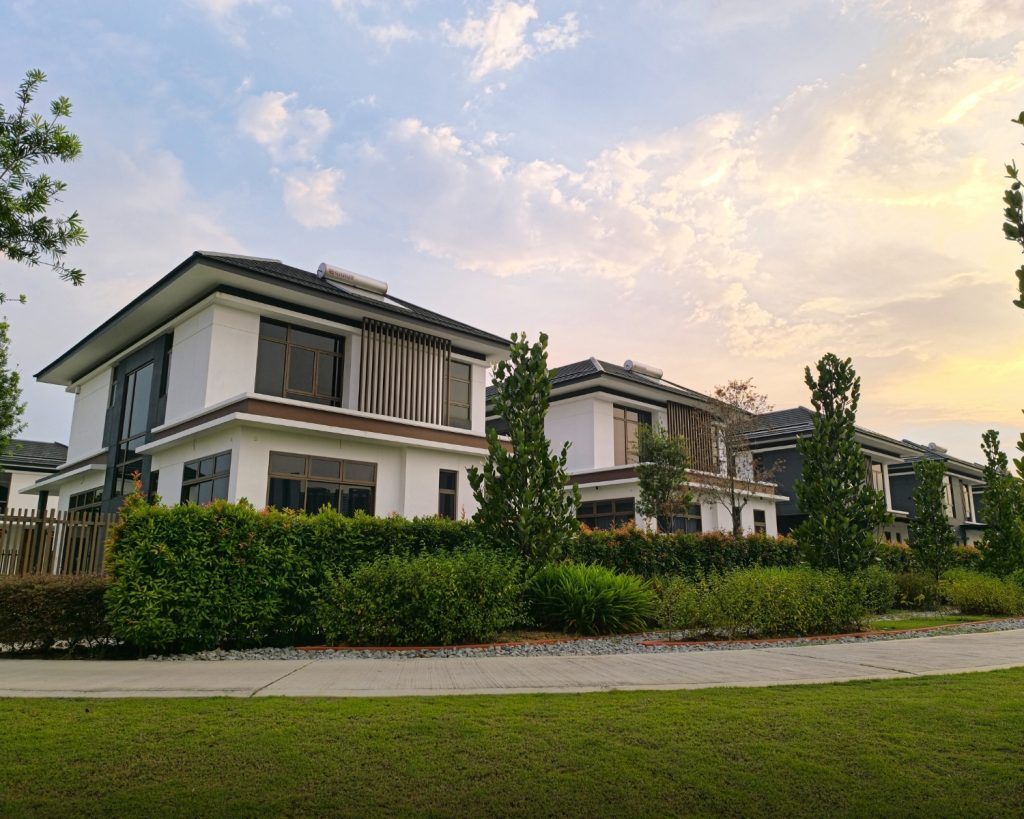
      Sunlight hitting the exterior of a beautiful, modern two-story home in a quiet San Francisco Bay Area neighborhood.
      Navigating the complex mortgage landscape leads to one result: securing your place in the Bay Area.

      In the dynamic SF Bay Area market, understanding how mortgages and interest rates impact your buying power is essential. Whether you’re purchasing your first home or investing in property, staying informed will help you make confident and strategic decisions.

      Need guidance on navigating the Bay Area’s mortgage landscape or finding the right home? Contact me for personalized support and expert insights:

      📧 danny@porchlightbayarea.com
      📱 650-665-0922
      Explore more mortgage tips on my blog: porchlightbayarea.com/blog

      Let’s successfully navigate the Bay Area mortgage landscape together!

      Filed Under: Real Estate Tagged With: Bay Area, DannyBurgess, HomeBuyingTips, Luxury Properties, PorchlightBayArea, Real Estate Market, SanFranciscoRealEstate, SFBayArea

      Get in Touch

      PorchLight Bay Area, Brokered by eXp Realty of CA
      (650) 665-0922

      2603 Camino Ramon Suite 200,
      San Ramon, California 94583

      Copyright © 2026 · Porchlight Bay Area · Designed By Michael Tritthart Team